
Disclaimer: Articles About Food. This site provides food and drink content for informational purposes only.
Running a successful restaurant requires more than great food and friendly service. Behind the scenes, smooth operations depend on planning, systems, compliance, and the right professional support. From managing daily workflows to preventing costly disruptions, every detail matters. This guide breaks down the essential components restaurant owners and managers need to keep operations efficient, safe, and profitable while avoiding common pitfalls that derail even busy establishments.
Building Reliable Cold Storage and Beverage Systems
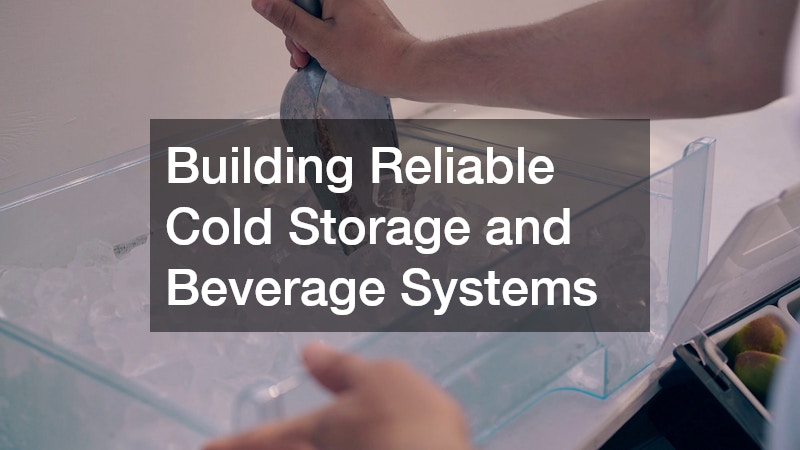
Few operational issues disrupt service faster than equipment failures that affect food safety or drink availability. Restaurants depend heavily on cold storage for ingredients, beverages, and prepared items, making reliability non-negotiable. Ice is particularly critical, not only for drinks but also for food displays, prep, and sanitation needs.
Professional ice machine installation ensures equipment is correctly sized for demand, properly drained, and placed to support efficient workflow. Many breakdowns stem from poor placement, inadequate ventilation, or incorrect water line setup. Regular cleaning schedules and filtration systems should also be part of the plan to prevent buildup and contamination.
Operators should track daily ice usage during peak hours and reassess capacity as the business grows. Preventive maintenance contracts can reduce downtime and extend equipment life, saving money long-term while keeping service uninterrupted.
Preventing Infestations Before They Become Emergencies
Clean kitchens and dining rooms are foundational, but even well-maintained restaurants are vulnerable to pests due to food storage, waste, and frequent deliveries. The key is prevention rather than reaction.
Scheduled pest control services help identify entry points, nesting risks, and sanitation gaps before they escalate into violations or closures. Effective programs combine routine inspections with staff education—such as proper food storage, sealed containers, and waste handling protocols.
Documentation matters, too. Inspection logs, service reports, and corrective actions should be kept on file to demonstrate due diligence during health inspections. Restaurants that treat pest management as an ongoing operational function and not as a one-time fix maintain stronger compliance and guest trust.
Reducing Risk Through Proactive Safety Planning
Fire hazards are an inherent risk in commercial kitchens due to open flames, grease accumulation, and high-heat equipment. Ignoring safety systems can lead to devastating losses that extend far beyond property damage.
Reliable fire prevention services include hood suppression systems, extinguisher maintenance, and staff training on emergency response. Grease buildup in ventilation systems is one of the leading causes of kitchen fires, making regular inspections essential.
Management should conduct periodic fire drills, clearly label shutoff valves, and ensure exits remain unobstructed at all times. Proactive planning not only protects lives and assets but can also reduce insurance premiums and downtime after incidents.

Protecting the Business When Accidents Occur
Even with safety measures in place, accidents can happen, such as slips, burns, or injuries involving guests or staff. How a restaurant responds in those moments can significantly affect legal and financial outcomes.
Having access to a qualified personal injury attorney helps owners understand liability exposure, proper documentation, and response protocols. This includes incident reporting procedures, surveillance retention policies, and staff communication guidelines.
Training managers to respond calmly and consistently after incidents, without admitting fault, can prevent misunderstandings from escalating. Legal preparedness is not about expecting lawsuits; it’s about ensuring the business is protected if the unexpected occurs.
Keeping Finances Organized and Transparent
Profitability in the restaurant industry often hinges on razor-thin margins, making financial oversight a critical component of long-term success. Without clear visibility into expenses and revenue, even busy restaurants can struggle to remain profitable. Owners need accurate, up-to-date data to make informed decisions about menu pricing, staffing levels, vendor relationships, and future investments.
Working with experienced accountants gives operators the tools to track key performance indicators such as food costs, labor percentages, tax obligations, and cash flow trends. Regular financial reporting and monthly reviews help identify inefficiencies early, including rising supplier costs, inventory waste, or menu items that fail to generate adequate margins. Catching these issues early allows for timely adjustments before they impact overall profitability.
Beyond basic bookkeeping, financial professionals provide guidance on payroll compliance, tip reporting, and tax planning, helping restaurants avoid costly penalties. They can also assist with budgeting, forecasting, and expansion planning by analyzing historical data and future projections. Restaurants that truly understand their numbers are better equipped to navigate seasonal fluctuations, respond to economic changes, and make confident decisions that support sustainable growth.
Maintaining Proper Ventilation for Health and Efficiency
Maintaining proper ventilation is essential for creating a safe, efficient, and compliant kitchen environment. Beyond temperature control, ventilation systems play a critical role in removing smoke, steam, grease particles, and airborne contaminants generated during cooking. When airflow is inadequate, heat and grease can accumulate quickly, making the kitchen uncomfortable for staff and increasing the risk of equipment malfunction, fire hazards, and health code violations.
Professional restaurant kitchen hood installation ensures that ventilation systems are designed to handle the specific cooking volume and equipment used in the kitchen. Hoods must be properly sized and positioned to capture emissions effectively, while exhaust fans and ductwork must support consistent airflow. Compliance with local fire and health codes is non-negotiable, and improper installation can result in costly corrections or failed inspections.
Installation alone is not enough to guarantee long-term performance. Routine cleaning and inspections are critical to preventing grease buildup inside hoods, filters, and ducts. Establishing a regular maintenance schedule reduces fire risk, improves indoor air quality, and keeps systems operating efficiently. Clean ventilation also helps kitchen equipment run cooler, reducing wear and extending lifespan.
Well-maintained ventilation improves working conditions by lowering heat stress and odors, allowing staff to work more comfortably and safely. Over time, these improvements lead to better productivity, fewer disruptions, and a kitchen that consistently meets operational and regulatory standards.
Preparing for Power Interruptions Without Service Disruption
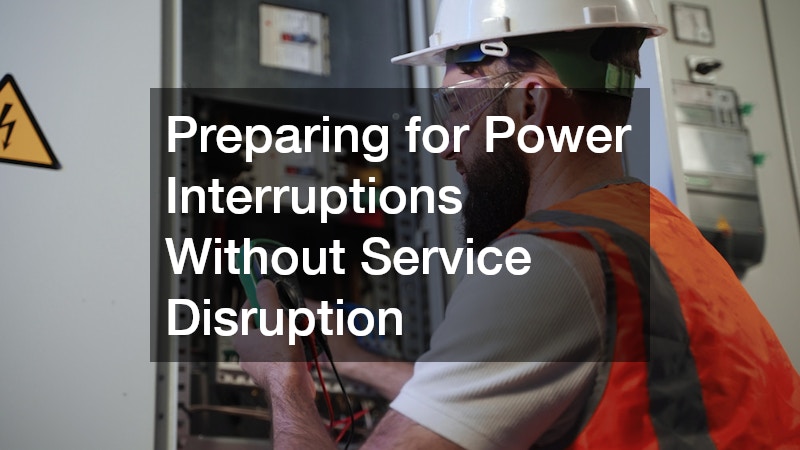
Power interruptions can bring restaurant operations to a standstill within minutes. Without electricity, refrigeration units fail, POS systems shut down, lighting goes dark, and kitchens become unsafe or unusable. Even brief outages can result in spoiled inventory, canceled orders, and damage to customer trust. Restaurants that prepare in advance are far better equipped to protect revenue and maintain service during unexpected disruptions.
Developing a contingency plan begins with identifying the most critical systems that must remain operational. Strategic generator installation allows restaurants to supply backup power to essentials such as walk-in coolers, freezers, lighting in key areas, and payment processing equipment. Sizing the generator correctly is crucial; an undersized unit may overload, while an oversized one increases unnecessary costs. Consulting professionals helps ensure the system matches the restaurant’s specific needs.
Maintenance is just as important as installation. Routine testing verifies that the generator starts reliably and can handle its intended load. Fuel levels should be monitored, and staff should know basic startup procedures in case management is unavailable during an emergency. Clear documentation and scheduled inspections help prevent failures when the system is needed most.
Preparedness minimizes downtime and protects food safety during storms, grid failures, or local infrastructure issues. With a reliable backup power solution in place, restaurants can continue serving guests, or at least safeguard inventory, while competitors struggle to recover.
Managing Waste to Avoid Costly Plumbing Issues
Grease buildup is one of the most common and costly plumbing issues restaurants face. Fats, oils, and grease may flow down drains in liquid form, but they quickly solidify inside pipes, creating blockages that restrict water flow and trap food debris. Over time, this leads to slow drains, foul odors, backups, and in severe cases, flooding that can force temporary closures and expensive emergency repairs.
Consistent waste management practices are essential to preventing these disruptions. Scheduled grease trap service removes accumulated grease before it becomes a problem and helps restaurants stay compliant with local wastewater regulations. Municipalities often impose strict requirements on cleaning frequency, and failure to meet them can result in fines or service interruptions. Regular servicing also allows technicians to identify early signs of damage or capacity issues.
Staff training plays a critical role in protecting plumbing systems. Employees should understand which materials must never be poured down drains, including cooking oil, sauces, and food scraps. Providing clearly labeled disposal containers and reinforcing proper procedures during onboarding helps build consistent habits across shifts.
Accurate service records and maintenance logs should be kept on file to demonstrate compliance during inspections. Understanding required cleaning intervals and adhering to them not only avoids penalties but also supports a cleaner, safer kitchen environment with fewer unexpected disruptions.
Refreshing Spaces Without Disrupting Operations
A restaurant’s appearance plays a powerful role in shaping first impressions and overall guest satisfaction. Even when food and service are excellent, worn walls, scuffed surfaces, or outdated color schemes can subtly signal neglect. Customers may not consciously identify the issue, but they often associate a tired-looking space with lower quality or inconsistent standards. Maintaining a clean, modern aesthetic reinforces trust and enhances the dining experience.
Working with a professional painting contractor allows restaurants to refresh their space without interrupting daily operations. Experienced contractors understand how to work around service schedules, completing projects during overnight hours or slow periods to avoid impacting staff and guests. They also know how to properly prep surfaces in high-traffic areas, ensuring paint adheres correctly and lasts longer in demanding commercial environments.
Choosing durable, washable finishes is essential for restaurants. Walls in dining rooms, kitchens, and hallways must withstand frequent cleaning, moisture, and contact. Commercial-grade coatings resist stains and scuffs, making routine maintenance faster and more cost-effective. Color selection can also influence mood and behavior; lighter tones can make spaces feel larger and cleaner, while warmer hues encourage comfort and longer stays.
Regular cosmetic updates demonstrate attention to detail and pride in the business. Freshly maintained spaces communicate professionalism, support brand identity, and reassure guests that the same care extends to food quality, cleanliness, and service standards.

Upgrading Layouts to Support Growth and Efficiency
As menus evolve and customer demand increases, kitchens must adapt to support higher volume and more complex workflows. An outdated layout can quietly undermine performance by forcing staff to take unnecessary steps, work around bottlenecks, or share cramped prep areas. Over time, these inefficiencies slow ticket times, increase labor fatigue, and raise the risk of accidents or mistakes during peak service.
A strategic kitchen remodeling service focuses on workflow optimization by analyzing how food moves from storage to prep to plating. Repositioning equipment to follow a logical sequence reduces wasted motion and helps staff work faster with less strain. Clear separation between hot and cold zones, prep and cooking areas, and clean and dirty stations improves both safety and sanitation. Remodeling also creates opportunities to upgrade ventilation, electrical capacity, and plumbing to better support modern equipment.
Beyond workflow, remodeling allows restaurants to address changing regulations and operational needs. Updating layouts can help meet current codes, improve accessibility, and integrate energy-efficient appliances that lower long-term utility costs. Storage solutions can be expanded to reduce clutter and improve organization, further enhancing daily efficiency.
Phased renovation planning is critical for minimizing downtime. By upgrading sections at a time, restaurants can stay operational while improvements are underway. When done thoughtfully, design upgrades quickly pay off through faster service, better consistency, reduced staff frustration, and a kitchen that can grow alongside the business.
Smooth restaurant operations are built on foresight, structure, and the right professional support. While great food draws customers in, dependable systems are what keep them coming back consistently. Guests may remember a standout dish, but they also remember clean restrooms, comfortable dining spaces, fast service, and a sense that everything runs seamlessly. Those experiences are the result of planning behind the scenes, not luck.
Investing in safety, routine maintenance, financial clarity, and reliable infrastructure allows restaurant owners to focus on hospitality instead of constant problem-solving. When equipment is well maintained, staff are properly trained, and processes are clearly defined, daily operations become more predictable and less stressful. This stability improves employee morale, reduces turnover, and creates a stronger team culture, all factors that directly influence service quality and customer satisfaction.
Preventive planning also protects the business long-term. Anticipating challenges such as compliance requirements, equipment wear, seasonal demand shifts, and unexpected disruptions helps owners avoid costly emergencies and rushed decisions. Clear systems make it easier to adapt, whether that means expanding the menu, adjusting hours, or scaling operations.
Ultimately, successful restaurants are not built on reacting to issues as they arise. They are built by owners who think ahead, invest wisely, and treat operations as a strategic priority. Prevention, preparation, and consistency are what turn a busy restaurant into a sustainable, respected business.